How to Save in Dollars from Nigeria: A Practical Guide
A step-by-step guide for Nigerians who want to save in US dollars. Covers domiciliary accounts, bureau de change, and digital dollar wallets, with real costs, access barriers, and honest tradeoffs.
Naira loss vs USD (2023–2025)
~75%
Nigeria inflation (mid-2024)
34%+
Dom account minimum deposit
$100–$500
Digital dollar wallet setup
30 seconds
TL;DR: The naira lost roughly 75% of its value against the US dollar between mid-2023 and early 2025. Nigerians can save in dollars through domiciliary accounts (regulated but hard to fund), bureaux de change (immediate but costly), or digital dollar wallets like Arca (smartphone-only setup in 30 seconds, you hold your own keys). Each method has real tradeoffs. Many Nigerians use a combination.
Key Takeaways:
- The naira fell from roughly 460 per dollar (official rate) in early 2023 to above 1,600 per dollar by late 2024, a 75% loss in purchasing power for naira holders.
- Domiciliary accounts are the most regulated option but require formal banking access, a $100-$500 minimum, and often have limited dollar availability.
- Bureaux de change offer immediate access but charge 2%-5% spreads, carry counterfeit risk, and provide no consumer protection.
- Digital dollar wallets require only a smartphone, have no minimum balance, and let you hold dollars under your own keys, but carry issuer risk and self-custody responsibility.
- Roughly 40% of Nigerian adults remain unbanked or underbanked, making phone-based dollar access a practical necessity for millions.
If you receive income in naira, the last three years have been a crash course in what currency devaluation does to purchasing power. Between June 2023 and early 2025, the naira lost roughly 75% of its value against the US dollar after the Central Bank of Nigeria unified the country’s multiple exchange rates and allowed the currency to float. A Nigerian who held 10 million naira in savings at the start of 2023 (worth about $21,700 at the then-official rate) saw that same amount worth closer to $5,500 by early 2025 at market rates.

This isn’t a new trend, but the speed of the 2023-2025 adjustment was unlike anything before. Nigeria’s annual inflation rate climbed above 34% by mid-2024, according to the National Bureau of Statistics, driven by rising import costs, fuel subsidy removal, and food price shocks. The World Bank’s Nigeria Development Update (June 2024) found that the combined effect of naira depreciation and inflation had pushed an additional 7 million Nigerians into poverty since mid-2023. Devaluation and persistent inflation together have made dollar savings a practical necessity, not a luxury, for millions of Nigerians.
This guide walks through the three main ways Nigerians can save in dollars today, with honest costs and tradeoffs for each.
Why Naira Savings Are Losing Value
For years, Nigeria operated a managed exchange rate system. The CBN maintained an official rate that was significantly stronger than the parallel (black) market rate. By early 2023, the official rate sat around 460 naira per dollar, while the parallel rate had climbed past 700. Most Nigerians and businesses couldn’t access dollars at the official rate. It existed largely on paper.
In June 2023, the government of President Bola Tinubu announced the unification of exchange rates, effectively ending the artificial peg. The naira immediately dropped to around 750 per dollar on the official market. It kept falling through 2023 and 2024, breaching 1,500 per dollar by February 2024, according to CBN data and Reuters reporting, and trading above 1,600 per dollar by late 2024.
Nigeria consistently appears among the countries with the highest inflation right now. With a population of over 200 million and one of the most active parallel currency markets in the world, the question of how to hold dollars has become urgent for a wide cross-section of the population.
Method 1: Domiciliary Accounts
A domiciliary account (commonly called a “dom account”) is a foreign-currency bank account held at a Nigerian commercial bank. GTBank, Zenith, Access, UBA, and First Bank all offer USD-denominated dom accounts.
What you need to open one: A Bank Verification Number (BVN), valid government-issued ID, proof of address, and passport photographs. Most banks require a minimum opening deposit between $100 and $500, depending on the institution.
What works well. Dom accounts are fully regulated by the CBN. You can receive international wire transfers directly, which is useful for freelancers, remote workers, or families receiving diaspora remittances. Some banks issue debit cards linked to the account for international transactions.
Where it gets difficult. While you can hold dollars in a dom account, actually buying dollars to add is often the bottleneck. Banks restrict how much foreign currency individual customers can purchase, and the rates offered through their treasury desks may not match the parallel market rate. Withdrawal of physical dollar cash is sometimes limited or subject to approval. Maintenance fees apply, and some banks charge for inactivity.
Most critically, dom accounts require formal banking infrastructure. According to World Bank Global Findex data, roughly 40% of Nigerian adults remain unbanked or underbanked. For them, a dom account isn’t a realistic starting point.
Method 2: Bureau de Change (BDC)
Bureaux de Change (BDCs) are licensed foreign exchange dealers operating across Nigeria. Before CBN regulatory changes, there were over 5,000 licensed BDCs in the country. The sector has been through significant upheaval since the CBN suspended forex sales to BDCs in 2021, and the informal market has grown to fill the gap.
How it works. You visit a licensed BDC or, more commonly, an informal currency trader and exchange naira for physical US dollar bills at the parallel market rate.
What works well. It’s immediate. No bank required. No documentation beyond what the dealer requests. For small amounts, it’s the most straightforward path to holding dollars.
Where it gets difficult. BDC spreads (the difference between buy and sell rates) typically run 2% to 5%, and widen during volatile periods. You’re dealing in physical cash, which introduces security risks, storage challenges, and the possibility of counterfeit notes. Dollar availability fluctuates; during periods of scarcity, dealers may not have stock or may charge steep premiums. Physical dollars also sit in your safe maintaining dollar value but not growing.
Method 3: Digital Dollars
Digital dollars, specifically USDC and USDT, have become the fastest-growing dollar savings channel in Nigeria. According to the 2024 Global Adoption Index published by a leading digital asset analytics firm, Nigeria ranks second globally in grassroots adoption, with P2P dollar-pegged transactions representing the dominant share of that activity.
How it works. You download a dollar wallet app on your smartphone, set up your wallet, and acquire digital dollars by trading naira on a peer-to-peer (P2P) platform. The digital dollars sit in your wallet, accessible from your phone. Apps like Arca are designed to make this straightforward; setup takes about 30 seconds and requires only a smartphone.
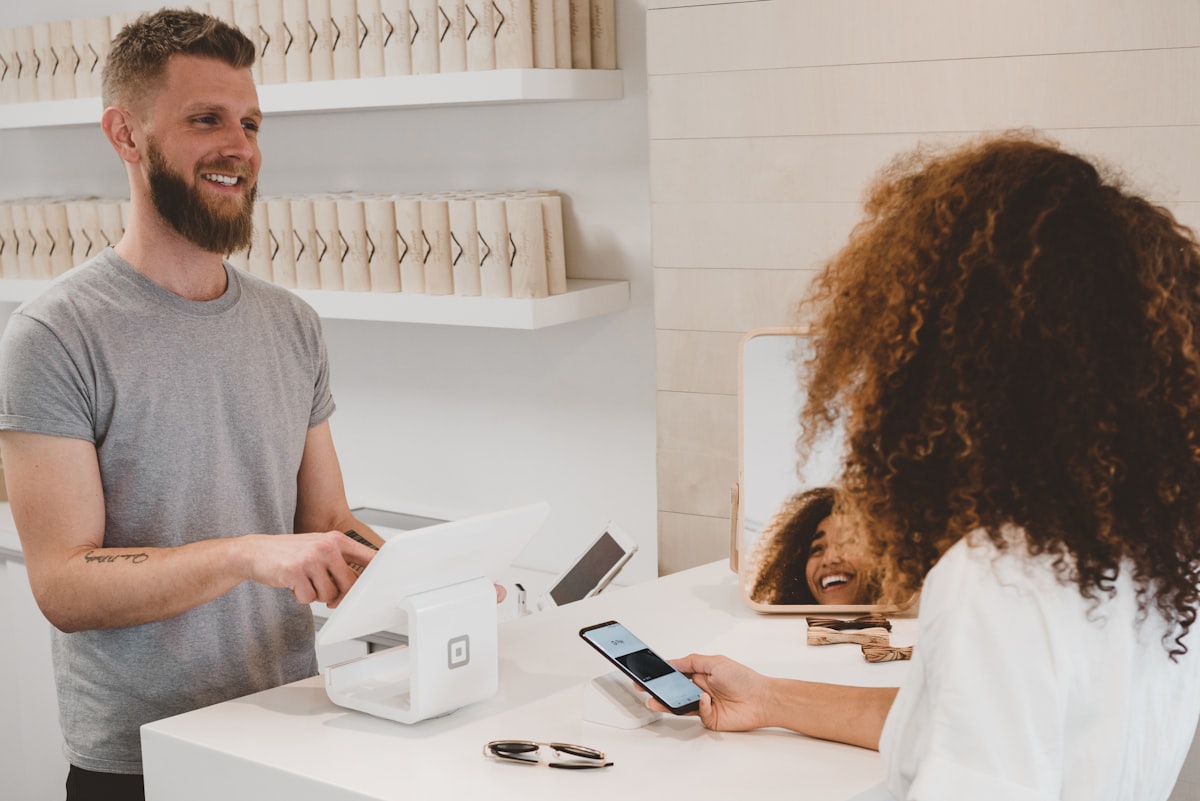
What works well. Access is the biggest differentiator. You need a smartphone and an internet connection. No bank branch visit, no minimum balance, no documentation process. P2P trades settle in minutes. You can hold any amount, from a few dollars upward. Digital dollars can be sent to anyone with a compatible wallet, anywhere in the world, without going through the traditional banking system. You hold your own keys, meaning you control your funds directly.
Where it gets difficult. Digital dollars aren’t backed by any government protection program. If a dollar-pegged asset were to lose its peg or if the issuer were to face solvency problems, holdings could lose value. P2P trading carries counterparty risk; established platforms use escrow systems, but scams do occur. And if you use a self-custody wallet, losing your keys means losing access to your funds permanently. For a deeper look at how to hold dollars without a US-based account, see our dedicated guide.
Comparing Dollar Access Methods in Nigeria
| Factor | Domiciliary account | Bureau de change | Digital dollars (e.g., Arca) |
|---|---|---|---|
| Exchange rate | Bank treasury rate (often less favorable) | Parallel market rate | P2P market rate (close to parallel) |
| Requirements | BVN, ID, bank branch visit, $100-$500 minimum | Cash, visit to dealer | Smartphone, internet connection |
| Setup time | Days to weeks | Minutes (if stock available) | ~30 seconds |
| Minimum amount | $100-$500 (varies by bank) | No formal minimum | No minimum |
| Custody | Bank holds your funds | You hold physical cash | You hold your own keys |
| Regulation | Fully CBN-regulated | Licensed, but informal market is gray area | Evolving SEC Nigeria framework |
| Key risks | Access restrictions, limited dollar availability | Counterfeits, theft, wide spreads | Peg risk, issuer risk, key loss |
| Government protection | NDIC coverage (limited) | None | None |
No single method dominates across every factor. For many Nigerians, the practical answer is a combination.
What Nigerians Are Actually Doing
Obiora, a logistics coordinator in Port Harcourt, started moving part of his savings into digital dollars in late 2023 after watching the naira drop from 750 to 1,200 per dollar in a matter of months. “I had about 4.5 million naira in my regular bank, around $3,000 at parallel market rates,” he says. “Every month that balance was worth less in real terms. By the time the naira hit 1,500, the same 4.5 million was worth closer to $3,000 on paper but felt like $2,000 in buying power because everything imported had doubled in price.”
He opened a dom account first, but his bank couldn’t always sell him dollars. So he started using P2P to buy USDC on his phone, small amounts at first, $50 at a time. “Now I keep about 300,000 naira for monthly expenses and move anything I can into digital dollars. Over the last year I’ve built up about $1,200 in digital dollars. If I’d left that money in naira, it would have lost roughly 30% of its dollar value in the same period. The whole conversion takes me five minutes.”
His approach mirrors what industry data shows at scale: Nigerians aren’t waiting for perfect regulatory clarity. They’re using the tools available to preserve what they have.
Nigeria’s Regulatory Picture
Nigeria’s approach to digital assets has shifted substantially. In February 2021, the CBN directed banks to close accounts linked to digital asset transactions. This didn’t make ownership illegal, but it cut off banking access to exchanges, and P2P trading surged as a result.
The Securities and Exchange Commission of Nigeria took a different path. In 2022, the SEC released rules for regulating digital assets, establishing a framework for Virtual Asset Service Providers (VASPs). By 2024, the SEC had begun issuing approvals to digital asset exchanges, signaling regulation rather than prohibition.
The current environment is best described as evolving. P2P trading is widespread and widely tolerated. Licensed exchanges operate under the SEC framework. The CBN’s stance has softened from hostility to cautious engagement. But regulations can change, and the framework isn’t as settled as traditional banking regulation. If you plan to hold digital dollars, stay aware of developments. For a look at how US regulation is shaping things, see our guide on the GENIUS Act.
How to Start Saving in Dollars from Nigeria
Step 1: Decide how much to convert. Review your monthly expenses and keep enough naira for near-term needs. Many financial planners suggest holding 3-6 months of living expenses in local currency and converting longer-term savings to dollars.
Step 2: Compare the rate you’re being offered. Check the current parallel market rate on sites like abokiFX. Whether you’re buying from a bank, a BDC, or a P2P trader, compare against this benchmark. If the spread exceeds 2-3%, shop around.
Step 3: Choose your method based on your access. If you have a strong bank relationship, a dom account is the most regulated option. For speed and accessibility, a digital dollar wallet like Arca requires only a smartphone; setup takes about 30 seconds, with full control of your keys. For physical cash needs, a BDC works, but watch the spread and security risks.
Step 4: Start small. Buy a small amount first. Practice the process, understand the fees, and get comfortable before committing larger sums.
Step 5: Secure your holdings. For digital dollars, back up your recovery phrase and store it safely; losing your keys means losing your funds. For physical cash, use secure storage. For dom accounts, protect your credentials.
What It Comes Down To
Nigerians today have more options to save in dollars than at any point in the country’s history. Domiciliary accounts offer regulatory protection but limited access. Bureaux de change provide immediacy but at a cost. Digital dollar wallets offer the lowest barrier to entry (a smartphone and 30 seconds) but carry their own set of risks.
The right combination depends on your income, your banking access, and your comfort level with different types of risk. But the data is clear: the naira has lost roughly 75% of its value against the dollar since mid-2023, and doing nothing has been the most expensive choice of all.
Whether you choose a dom account, a bureau de change, or a digital dollar wallet, the cost of inaction is measurable: roughly 75% of your dollar purchasing power lost in under two years. The best time to start was before the devaluation. The second-best time is now.
If you’re ready to start holding digital dollars, Arca lets you set up a dollar wallet in about 30 seconds, with full control of your keys. You can start with any amount.
This article is for informational purposes only and does not constitute financial advice. All savings methods carry risks. Do your own research before making financial decisions.
Your dollar wallet. No bank needed.
Hold dollars, send them instantly, and manage your money on your terms.
Get started with ArcaRelated guides
Are Digital Dollars Safe? An Honest Look at Risks and Safeguards
Digital dollars carry real risks but also real safeguards. Understand reserve backing, regulation, depegging history, and how to evaluate safety before holding digital dollars.
How Digital Dollars Maintain Their Value: Understanding the Safety Behind the Peg
Learn how reserve-backed digital dollars like USDC and USDT maintain their $1 value through audited reserves, the GENIUS Act, and proper custody, plus lessons from past events.
Countries with the Highest Inflation Right Now
Data-driven list of countries with the highest inflation rates in 2026. See what drives rising prices, how citizens cope, and how to protect your purchasing power.