What Is Inflation in Simple Terms?
Inflation means prices go up and your money buys less over time. Learn how inflation works, why it happens, and what you can do to protect your savings.
Global avg. inflation (2024)
5.8%
Purchasing power lost in 10 yrs at 5%
39%
Countries above 20% inflation
15+
UN SDG price stability target
Under 3%
What Does Inflation Actually Mean?
Inflation is the general rise in prices over time. When inflation happens, each unit of your money buys less than it did before. That is the core idea: your money stays the same, but things cost more.
Here is a simple example. If you could buy a full bag of groceries for $50 last year, but the same items now cost $55, that is 10% inflation on those goods. Your $50 bill did not change, but its purchasing power dropped. You need more money to buy the same things.
Economists at the International Monetary Fund (IMF) define inflation as the rate of increase in prices over a given period. Most countries measure it by tracking a “basket” of common goods and services (food, housing, transportation, clothing) and comparing what that basket costs from one period to the next. The most common measure is the Consumer Price Index (CPI).
Inflation is not about one item getting more expensive. It is about the overall trend across many goods and services. When people say “inflation is 5%,” they mean the average price level across the economy rose by 5% over the past year.
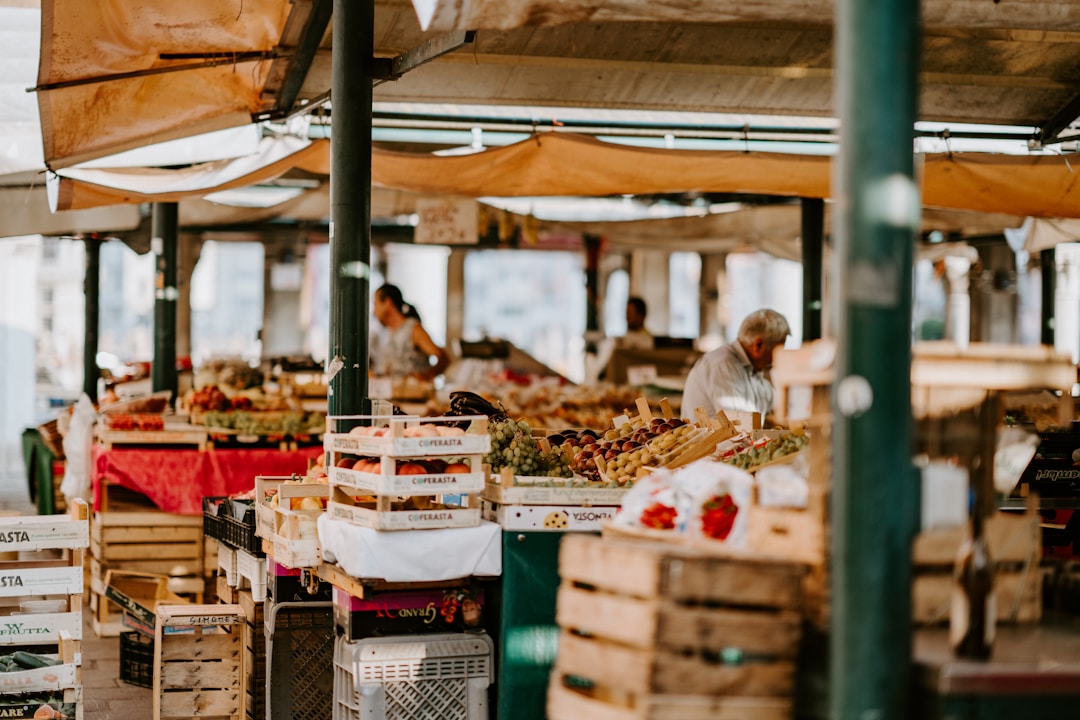
Photo by Jacopo Maiarelli on Unsplash
Why Does Inflation Happen?
There is no single cause of inflation. Economists generally point to three main drivers, and they often overlap.
Demand-pull inflation happens when there is more demand for goods and services than the economy can supply. If everyone wants to buy a new phone but factories cannot produce enough, sellers raise prices. This type of inflation often appears when an economy grows quickly or when governments put large amounts of money into people’s hands through stimulus programs.
Cost-push inflation happens when the cost of producing goods goes up. If oil prices spike, transportation costs rise. If a drought destroys crops, food prices climb. These higher production costs get passed to consumers. The World Bank’s Commodity Markets Outlook documented how global food prices surged after supply chain disruptions, directly raising grocery bills for families worldwide.
Monetary inflation happens when a government prints large quantities of new money. When there are more bills circulating but the same amount of goods available, each bill becomes worth less. This is a major driver of extreme inflation in countries like Argentina and Venezuela, where central banks have expanded the money supply rapidly to cover government spending.
| Type | Cause | Real-world example |
|---|---|---|
| Demand-pull | More buyers than goods available | Post-pandemic spending surge (2021-2022) |
| Cost-push | Production costs rise | Oil price shocks raising transport and food costs |
| Monetary | Government prints excess money | Argentina’s peso losing 50%+ value annually |
In practice, inflation usually comes from a mix of these factors. A country might print money to cover deficits (monetary), which increases demand (demand-pull), while global supply disruptions raise costs (cost-push). The combination can be severe.
How Inflation Affects Your Daily Life
Inflation is not an abstract economic concept. It shows up in your daily expenses in ways that are easy to see.
Groceries. Food prices are often the first place people notice inflation. When flour, rice, cooking oil, and eggs all cost more, your weekly grocery bill grows even if you buy the same items. In many Latin American countries, food inflation runs higher than overall inflation because food makes up a larger share of household spending. According to the Food and Agriculture Organization (FAO), global food prices rose by over 30% between 2020 and 2023.
Rent and housing. Landlords raise rent to keep up with their own rising costs (property taxes, maintenance, insurance). In high-inflation environments, rent increases can outpace wage growth, squeezing household budgets. A family paying $500 per month in rent that sees a 15% annual increase pays $575 within a year, $900 more over twelve months.
Transportation. Fuel prices directly affect the cost of getting to work, buying goods, and running a business. When fuel rises, bus fares, ride-hailing prices, and delivery costs all follow.
Wages versus prices. The critical question is whether your income keeps up. If prices rise 10% but your salary only rises 3%, you are effectively earning less. This gap between wage growth and price increases is what makes high inflation painful for most people. It does not matter that you have the same number of bills in your pocket if those bills buy fewer things.
Consider Rosa, a school administrator in Buenos Aires earning 500,000 Argentine pesos per month in January 2024. By July, the same groceries, bus fare, and utilities that cost her 350,000 pesos required 580,000 pesos. Her salary had been adjusted to 600,000, a 20% raise that sounded generous until she realized prices had risen over 60%. Rosa’s real purchasing power dropped every single month despite the raise. She began converting a portion of each paycheck to digital dollars on her phone, preserving at least some of her income in a denomination that was not losing value week by week.
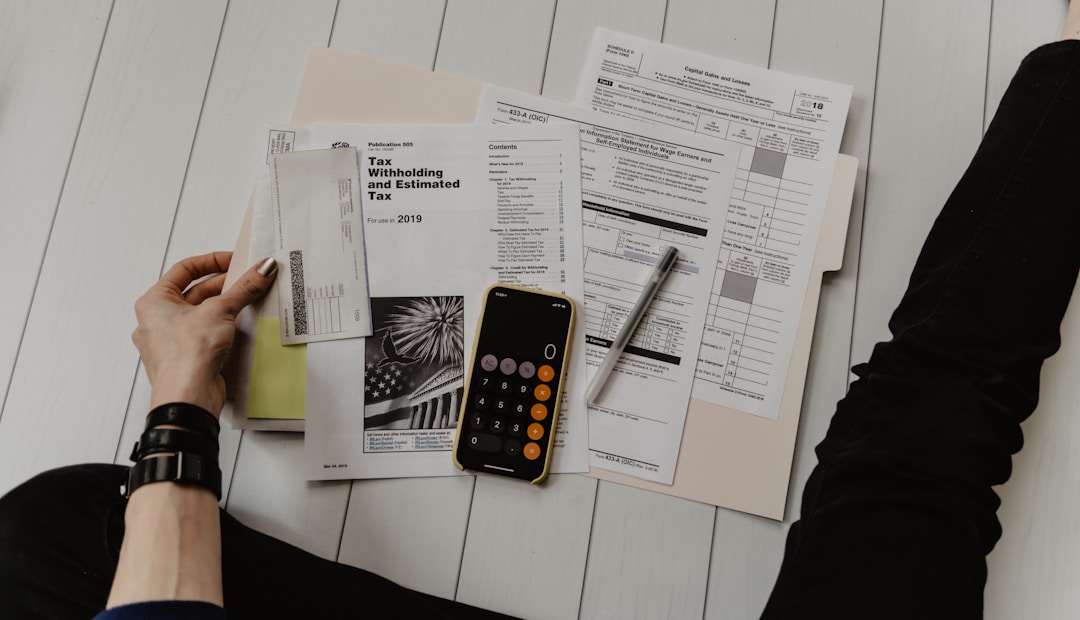
Photo by Tech Daily on Unsplash
What Happens When Inflation Gets Out of Control?
Moderate inflation (around 2% to 3% per year) is considered normal in most economies. Central banks in the United States, Europe, and Japan typically target this range. At this level, prices rise slowly enough that wages can keep pace.
The problem starts when inflation climbs well above that range and stays there. According to the IMF’s World Economic Outlook (October 2024), global average inflation was approximately 5.8% in 2024, down from a peak of 8.7% in 2022 but still above pre-pandemic levels. Some countries experience far worse.
When inflation hits 20%, 50%, or higher, the effects are severe:
- Money loses value fast. Cash sitting in a local currency loses purchasing power every month. At 50% annual inflation, $1,000 in local currency buys only $500 worth of goods a year later.
- Planning becomes impossible. Businesses cannot set prices. Workers cannot budget. Families do not know what food will cost next week.
- People rush to spend. When money loses value quickly, people buy goods immediately rather than holding cash. This extra spending pushes prices even higher, a cycle economists call a wage-price spiral.
- Local currency weakens. High inflation often goes hand in hand with currency devaluation, where the local currency loses value against foreign currencies like the dollar.
Several countries today face inflation rates above 20% or higher. You can see which ones in our overview of countries with the highest inflation right now. In these places, holding local currency means watching your purchasing power shrink every single day.
This is also why some countries and individuals turn to dollarization, shifting toward a more stable currency when their own becomes unreliable.
How to Protect Your Money From Rising Prices
There is no way to completely avoid inflation. But there are practical steps you can take to reduce its impact on your money.
Understand where your money sits. If most of what you have set aside is in a local currency losing 20% or more of its value each year, doing nothing is the most expensive choice. Understanding how inflation affects your savings is the first step toward taking action.
Hold a more stable currency. One reason people around the world seek dollars is that the US dollar, while not immune to inflation, has historically been far more stable than many local currencies. With Arca, you can hold digital dollars in a wallet you control, directly from your phone, without needing a US-based institution.
Spend strategically. During high inflation, some goods rise faster than others. Tracking which categories are climbing fastest, and adjusting when possible, helps stretch your purchasing power further.
Do not wait. Inflation compounds. The longer you hold money in a currency that is losing value, the less that money can buy. The table below shows how quickly purchasing power erodes at different inflation rates.
| Annual inflation rate | Value of $1,000 after 1 year | After 5 years | After 10 years |
|---|---|---|---|
| 3% | $970 | $859 | $737 |
| 5% | $952 | $774 | $614 |
| 10% | $909 | $621 | $386 |
| 20% | $833 | $402 | $162 |
| 50% | $667 | $132 | $17 |
These numbers show why inflation is not just a statistic on the news. It is a daily force that shapes what you can afford, how far your salary goes, and whether the money you set aside today will still be useful tomorrow.
Your Dollars, Your Control
Inflation affects everyone, but it does not affect everyone equally. People who have access to stable currencies and tools to manage their money have more options. Those who do not are left watching prices climb while their purchasing power falls.
Arca is a dollar wallet that gives you direct control over your digital dollars, from your phone, wherever you are. No middleman holds your money. You hold your own keys. Whether you want to set dollars aside for the future or keep your money in a currency that holds its value better than your local one, Arca puts that choice in your hands.
Your dollar wallet. No bank needed.
Hold dollars, send them instantly, and manage your money on your terms.
Get started with ArcaRelated guides
Are Digital Dollars Safe? An Honest Look at Risks and Safeguards
Digital dollars carry real risks but also real safeguards. Understand reserve backing, regulation, depegging history, and how to evaluate safety before holding digital dollars.
How Digital Dollars Maintain Their Value: Understanding the Safety Behind the Peg
Learn how reserve-backed digital dollars like USDC and USDT maintain their $1 value through audited reserves, the GENIUS Act, and proper custody, plus lessons from past events.
Countries with the Highest Inflation Right Now
Data-driven list of countries with the highest inflation rates in 2026. See what drives rising prices, how citizens cope, and how to protect your purchasing power.