How to Save in Dollars from Brazil
A practical guide for Brazilians who want to save in US dollars. Covers dollar brokerage accounts, exchange houses, US-based options, and digital dollar wallets, with real costs and honest tradeoffs for 2026.
Real loss vs USD (2024)
~22%
USD/BRL (end 2024)
R$6.12
Brazil inflation (2024 IPCA)
4.83%
Digital dollar wallet setup
30 seconds
TL;DR: The Brazilian real fell about 22% against the dollar in 2024, the worst performance among major currencies, sliding from roughly R$4.85 to R$6.12 per dollar, even though local inflation was a relatively modest 4.83%. Brazilians can get dollar exposure through brokerage products (regulated, but indirect), bank and exchange-house FX (taxed and travel-focused), US or international accounts (powerful, but with paperwork), or a digital dollar wallet (phone-only setup, 24/7 access, you hold your own keys). Each path has real tradeoffs.
Key Takeaways:
- The real lost about 22% against the dollar in 2024, the weakest of 31 major currencies tracked, moving from around R$4.85 to R$6.12 per dollar.
- Brazil’s 2024 inflation was a moderate 4.83%, so the bigger risk to savings was currency depreciation, not runaway prices.
- Dollar brokerage products give regulated exposure but often track the dollar indirectly and trade only in market hours.
- Bank and exchange-house FX is taxed (the IOF) and oriented toward travel, making it less practical for simply parking savings in cash.
- Digital dollar wallets need only a phone, often fund via Pix, have no minimum, and let you hold your own keys, but carry issuer and self-custody risk.
Brazil’s experience in 2024 is a useful reminder that you don’t need triple-digit inflation to lose money in your own currency. Local inflation was a fairly tame 4.83%, according to FocusEconomics. Yet the real still fell about 22% against the dollar, the worst showing among major currencies that year. It dropped from roughly R$4.85 per dollar in January to around R$6.12 by year-end.
For a Brazilian saver, that means anything held in reais lost more than a fifth of its global purchasing power over the year, regardless of how stable local grocery prices felt. This is the quieter side of currency devaluation: your money can hold up at home while shrinking against the dollar that prices most imports, travel, and global goods.
This guide covers the main ways Brazilians get dollar exposure today: brokerage products, bank and exchange-house FX, US or international accounts, and digital dollar wallets. With honest costs and tradeoffs for each.
Disclosure: This guide is published by Arca, a digital dollar wallet provider. We compare all available options honestly, including their drawbacks. Where we reference Arca’s product, this reflects our own service.
Why the Real Slid Even With Low Inflation
The real’s 2024 slide was driven less by domestic prices and more by market concerns about Brazil’s fiscal path, alongside a broadly strong dollar. The central bank stepped in repeatedly to defend the currency, spending heavily from reserves, but the real still ended the year as the most devalued major currency. The lesson for savers is that a currency can weaken sharply against the dollar even when local inflation looks contained.
That is exactly why dollar exposure matters in Brazil. Even modest inflation affects savings over time, and a 22% currency move on top of it is a serious hit to anyone who buys imported goods, travels, or wants to preserve global purchasing power. Brazil is not on the list of countries with the highest inflation right now, but the currency risk is real, and many Brazilians have long held part of their savings in dollars for that reason.
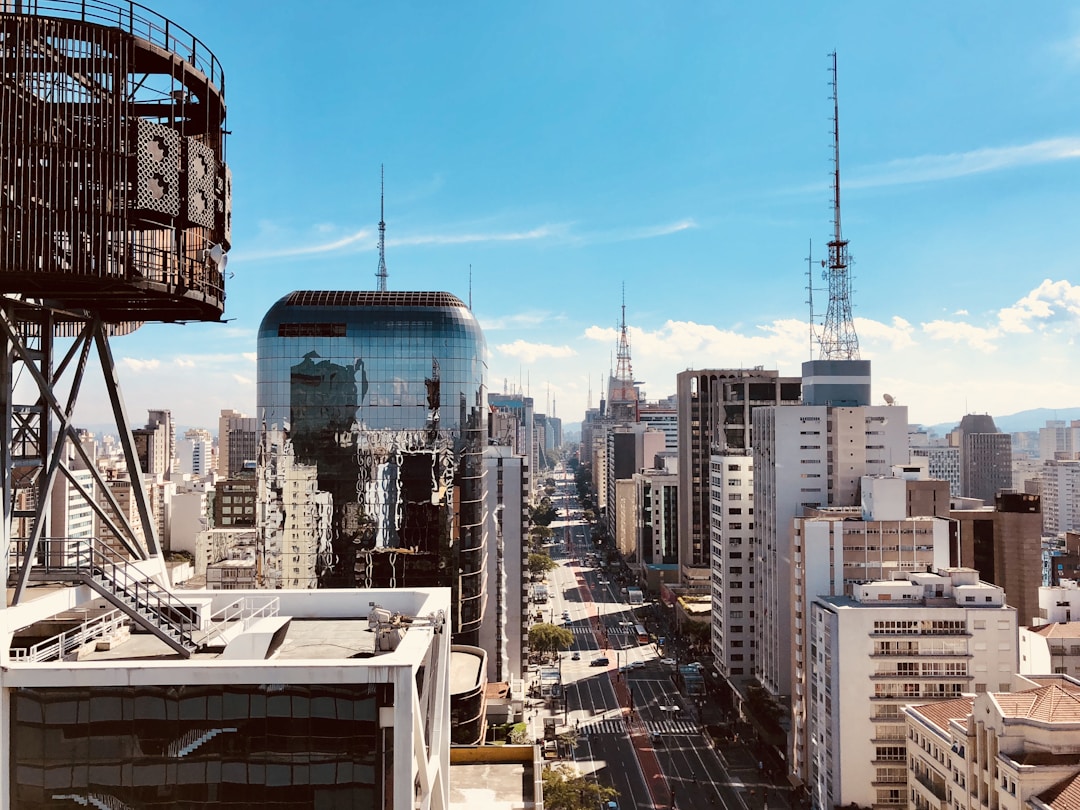
Photo by Joao Tzanno on Unsplash
The Main Ways to Get Dollar Exposure from Brazil
1. Dollar Investments Through a Brokerage
Brazilian brokerages offer dollar-linked products such as dollar funds, BDRs (Brazilian Depositary Receipts), and ETFs that track US assets.
How it works. You open a brokerage account, fund it in reais, and buy a product whose value tracks the dollar or dollar-denominated assets.
Costs. Management fees apply, and some products track the dollar indirectly rather than holding it 1:1. Trades happen only during market hours.
Tradeoffs. Regulated and integrated with Brazil’s investment system, with some products offering growth potential beyond pure dollar exposure. But it is indirect, fee-bearing, and not a simple 1:1 dollar balance you can spend or send.
2. Bank and Exchange-House FX
Banks and exchange houses (casas de cambio) sell foreign currency, mainly for travel and transfers.
How it works. You buy dollars in cash or on a prepaid travel card through a bank or exchange house at the commercial rate.
Costs. Brazil applies the IOF tax on foreign-exchange operations, plus a spread. This is what makes simply stockpiling dollar cash as savings relatively expensive and impractical compared with other countries.
Tradeoffs. Useful for travel and specific needs, and fully regulated. But the tax and travel-oriented framing make it a poor fit for parking long-term savings in dollar cash.
3. US or International Accounts
Some Brazilians open accounts with US or international platforms to hold dollars directly.
How it works. You set up an account with an international brokerage or banking platform that accepts Brazilian residents, then fund and hold dollars there.
Costs. Funding usually involves an FX conversion and transfer fees, and there can be account minimums and tax-reporting obligations.
Tradeoffs. Powerful and flexible once set up, with direct dollar holdings. But the onboarding paperwork, transfer friction, and reporting requirements raise the barrier to entry.
4. Digital Dollars
Digital dollars, specifically dollar-denominated digital assets like USDC and USDT, are the newest path, and Brazil is one of Latin America’s most active markets for them.
How it works. You use a digital dollar wallet on your phone to hold dollar-denominated value. Each digital dollar is designed to track the US dollar 1:1, backed by reserves of cash and short-term US government debt. To convert reais, you use a local exchange, often funded instantly by Pix. For background, see what digital dollars are.
Costs. Wallet fees vary by provider. The conversion rate from reais depends on the on-ramp, though most price close to the commercial rate. Arca-to-Arca dollar sends carry no network fee.
Tradeoffs. No brokerage or US address needed, just a phone, so you can effectively hold dollars without a US bank account. Available around the clock, and Pix funding makes the on-ramp fast. You hold your own keys, so no institution can freeze the balance, but losing your seed phrase means losing access. Digital dollars are not government-issued money and carry issuer-specific risks. Brazilian tax rules on crypto gains apply, so keep records, and understand the difference between custodial and non-custodial wallets before choosing a provider.
Comparing the Options
| Factor | Brokerage Products | Bank / Exchange FX | US/Intl Account | Digital Dollars |
|---|---|---|---|---|
| Dollar exposure | Often indirect | Direct (cash/card) | Direct | Direct 1:1 balance |
| Requirements | Brokerage account | In-person, travel focus | Heavy onboarding | Smartphone |
| Taxes / fees | Management fees | IOF tax + spread | FX + transfer fees | Wallet fees, gains taxed |
| Time to complete | Market hours | Minutes | Days to set up | Minutes |
| Custody | Broker holds | You hold cash/card | Platform holds | You hold your own keys |
| 24/7 availability | No | No | Limited | Yes |
| Key risks | Tracking, fees | Tax cost, impractical | Paperwork, reporting | Issuer, depeg, key loss |
No single method wins on every factor. Each is a different balance of directness, cost, access, and risk.
Photo by Elise Laine on Unsplash
A Real Scenario: A Saver in Sao Paulo
The following scenario is illustrative. It is based on common patterns reported by Brazilian savers, not a specific individual.
A marketing manager in Sao Paulo keeps an emergency fund and saves for an eventual trip abroad. Through 2024 she held it all in reais in a regular account. Local inflation felt manageable at under 5%, so she wasn’t worried. Then she went to price flights and noticed her savings bought far fewer dollars than a year earlier. The real had dropped from about R$4.85 to R$6.12 per dollar, so her travel and import budget had shrunk by roughly a fifth without any local price spike to warn her.
She started keeping part of her savings in digital dollars, funding the conversion with Pix at rates close to the commercial rate. The portion she held in dollars tracked the dollar 1:1, so it held its global purchasing power even as the real kept sliding. The balance is hers, reachable from her phone at any hour, with no IOF tax on holding it and no brokerage product tracking the dollar only indirectly.
Getting Started
If you’re considering saving in dollars from Brazil, here’s how to start with a digital dollar wallet:
- Download Arca on your phone. Setup takes about 30 seconds. No brokerage account or US address required.
- Convert reais to digital dollars. Use a local exchange, often funded by Pix, at rates close to the commercial rate.
- Hold dollars under your control. Your digital dollars sit in your wallet, secured by keys only you hold.
- Send or save on your terms. Keep your dollars as long as you want, or send them to any compatible wallet in seconds.
What It Comes Down To
Brazil’s 2024 showed that you can lose a fifth of your global purchasing power without ever feeling a local price shock. The real fell about 22% against the dollar while inflation stayed under 5%, so savers who held only reais quietly lost ground against the currency that prices most of the world.
You have several ways to hold dollar value. Brokerage products suit investors who want dollar exposure inside Brazil’s investment system. Bank and exchange-house FX suits travel needs. US or international accounts suit people willing to do the paperwork. A digital dollar wallet suits people who want a direct 1:1 dollar balance, phone-based, with their own keys and Pix funding. For more on the hidden costs of moving money, see our guide on exchange-rate markup and the blog on why no-fee transfers still cost money. For how protections for digital dollar holders are evolving under US law, see our guide on the GENIUS Act.
Ready to hold your own dollars? Get started with Arca and set up your dollar wallet in 30 seconds.
Your dollar wallet. No bank needed.
Hold dollars, send them instantly, and manage your money on your terms.
Get started with ArcaRelated guides
Are Digital Dollars Safe? An Honest Look at Risks and Safeguards
Digital dollars carry real risks but also real safeguards. Understand reserve backing, regulation, depegging history, and how to evaluate safety before holding digital dollars.
How Digital Dollars Maintain Their Value: Understanding the Safety Behind the Peg
Learn how reserve-backed digital dollars like USDC and USDT maintain their $1 value through audited reserves, the GENIUS Act, and proper custody, plus lessons from past events.
Can You Send Money Internationally on Weekends?
Yes, but the timing depends on the route. Compare weekend bank wires, remittance apps, and digital dollar transfers that can settle any day.