How to Save in Dollars from Egypt
A practical guide for Egyptians who want to save in US dollars. Covers foreign-currency bank accounts, the exchange-bureau and parallel market, physical cash, and digital dollar wallets, with real costs and honest tradeoffs for 2026.
Pound devaluation (Mar 2024)
~38% in a day
Egypt inflation (2024 average)
~28%
Pound rate (late 2024)
50+ per USD
Digital dollar wallet setup
30 seconds
TL;DR: When Egypt floated the pound in March 2024, it lost about 38% of its value against the dollar in a single day, falling from around 30.9 to 50.6 per dollar, while inflation averaged near 28% for the year. Egyptians can save in dollars through a foreign-currency bank account (regulated, but exposed to dollar shortages), exchange bureaus and physical cash (immediate, but you store the bills), or a digital dollar wallet (phone-only setup, 24/7 access, you hold your own keys). Each path has real tradeoffs.
Key Takeaways:
- The pound fell from roughly 30.9 to 50.6 per dollar on the March 6, 2024 float, a loss of about 38% in a single day, and weakened past 50 again by December.
- Inflation in Egypt averaged around 28% during 2024, eroding the real value of pound savings on top of the currency drop.
- Foreign-currency bank accounts are regulated, but access to buy dollars has been rationed during shortages, with withdrawal limits at times.
- Exchange bureaus and physical dollars offer immediate access, but you carry spread costs and the burden of storing cash safely.
- Digital dollar wallets need only a phone, have no minimum balance, and let you hold your own keys, but carry issuer and self-custody risk in a market with little crypto-specific regulation.
When Egypt’s central bank floated the pound on March 6, 2024, the currency fell to roughly 50.6 per dollar from a managed rate near 30.9 within the same day, a drop of about 38% in value. For anyone holding pound savings, more than a third of their dollar-equivalent worth vanished overnight. It was Egypt’s third major devaluation in roughly two years.
This is the backdrop that makes saving in dollars a practical matter for so many Egyptians. Inflation compounds the pressure: prices rose by an average of around 28% during 2024, according to FocusEconomics. Money left in pounds was hit from two directions, by inflation eating its purchasing power and by currency devaluation cutting its dollar value.
This guide covers the main ways Egyptians save in dollars today: foreign-currency bank accounts, exchange bureaus and physical cash, and digital dollar wallets. With honest costs and tradeoffs for each.
Disclosure: This guide is published by Arca, a digital dollar wallet provider. We compare all available options honestly, including their drawbacks. Where we reference Arca’s product, this reflects our own service.
Why Pound Savings Keep Losing Value
Egypt has devalued the pound repeatedly as it worked through balance-of-payments pressure and IMF-backed reforms. The March 2024 float was the sharpest single move, but it followed earlier devaluations in 2022 and 2023. By December 2024 the pound had weakened past 50 per dollar again, confirming that the float was a structural reset, not a one-off dip.
The damage to savers comes from the combination of a falling currency and high inflation. Even as headline inflation eased through late 2024, prices were still rising fast and the pound had already lost a large slice of its dollar value. Egypt regularly sits among the countries with the highest inflation right now, and households have long treated dollars as the safer store of value.
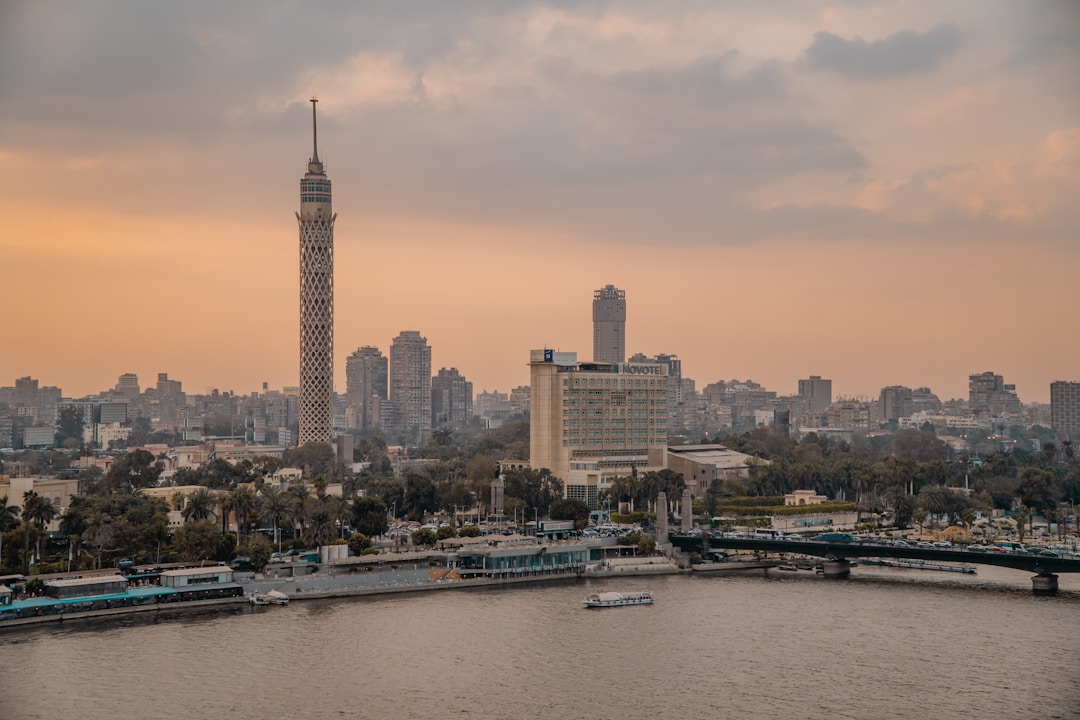
Photo by Roaming Pictures on Unsplash
The Three Main Ways to Save in Dollars from Egypt
1. Foreign-Currency Bank Account
Most Egyptian banks offer foreign-currency accounts that let you hold US dollars or euros.
How it works. If you bank in Egypt, you open a foreign-currency account and convert pounds into dollars through the bank, or receive dollars directly. The balance stays in dollars.
Costs. Banks apply a spread on the conversion and may charge fees on cash withdrawals. During dollar shortages, the bank rate and the parallel-market rate can diverge sharply.
Tradeoffs. Regulated and integrated with the banking system. But access to actually buy dollars has been the bottleneck during shortages, when banks rationed foreign currency and capped withdrawals. You are also exposed to banking hours and shifting central-bank rules.
2. Exchange Bureaus and Physical Dollars
Egypt has licensed exchange bureaus, and during shortages an active parallel market has often run alongside them. Physical dollar bills are a long-standing store of value.
How it works. You exchange pounds for dollar bills at a bureau at the posted rate, then store the cash yourself. In tight periods, some transactions move through informal channels at a premium.
Costs. The cost sits in the spread between buy and sell rates, which widens during volatility. There is no ongoing fee.
Tradeoffs. Fast and accessible. But you carry the risk of theft, the burden of safe storage, the possibility of counterfeit notes, and, in the informal market, no legal protection. Physical dollars hold value without doing anything more.
3. Digital Dollars
Digital dollars, specifically dollar-denominated digital assets like USDC and USDT, are the newest path and one that has grown across the region.
How it works. You use a digital dollar wallet on your phone to hold dollar-denominated value. Each digital dollar is designed to track the US dollar 1:1, backed by reserves of cash and short-term US government debt. To convert pounds, you use a local exchange or peer-to-peer platform. For background, see what digital dollars are.
Costs. Wallet fees vary by provider. The conversion rate from pounds depends on the on-ramp, though most price close to the market. Arca-to-Arca dollar sends carry no network fee.
Tradeoffs. No bank account needed, just a phone, so you can effectively hold dollars without a US bank account. Available around the clock, which matters when bank access is rationed. You hold your own keys, so no institution can freeze the balance, but losing your seed phrase means losing access. Digital dollars are not government-issued money and carry issuer-specific risks. Egypt has little crypto-specific regulation, so weigh the legal uncertainty and understand the difference between custodial and non-custodial wallets before choosing a provider.
Comparing the Options
| Factor | FX Bank Account | Bureau / Cash | Digital Dollars |
|---|---|---|---|
| Exchange rate | Bank rate (with spread) | Market rate (with spread) | Close to market |
| Requirements | Egyptian bank account | Cash, in-person visit | Smartphone |
| Dollar availability | Rationed in shortages | Varies | Not rationed |
| Time to complete | Minutes (banking hours) | Minutes | Minutes |
| Custody | Bank holds funds | You hold cash | You hold your own keys |
| 24/7 availability | No | No | Yes |
| Regulation | Fully regulated | Licensed / gray for informal | Undeveloped framework |
| Key risks | Access limits, fees | Theft, counterfeits, spreads | Issuer, depeg, key loss |
No single method wins on every factor. Each is a different balance of rate, access, regulation, and risk.
A Real Scenario: A Remote Worker in Cairo
The following scenario is illustrative. It is based on common patterns reported by Egyptian remote workers and freelancers, not a specific individual.
A software developer in Cairo earns about USD 1,500 a month from a foreign employer. Before the 2024 float, he converted his pay into pounds and kept his savings in a pound account. When the pound dropped from around 30.9 to 50.6 per dollar in March 2024, the savings he hadn’t yet spent lost more than a third of their dollar value in a day. Meanwhile, inflation near 28% over the year kept chipping away at what those pounds could buy.
After the float, he started keeping part of his income in digital dollars. His pay lands in his wallet as dollars, and he converts only what he needs for rent and daily costs into pounds, when he needs it, at rates close to the market. The dollars he doesn’t spend stay as dollars.
The result is that the portion he held in digital dollars held its value through the year’s swings, and he stopped depending on his bank’s ability to sell him dollars during shortages. The balance is his, reachable from his phone at any hour.
Getting Started
If you’re considering saving in dollars from Egypt, here’s how to start with a digital dollar wallet:
- Download Arca on your phone. Setup takes about 30 seconds. No foreign bank account or brokerage required.
- Convert pounds to digital dollars. Use a local exchange or peer-to-peer platform at rates close to the market.
- Hold dollars under your control. Your digital dollars sit in your wallet, secured by keys only you hold.
- Send or save on your terms. Keep your dollars as long as you want, or send them to any compatible wallet in seconds.
What It Comes Down To
Egypt’s recent history has made the cost of waiting clear: the time to move savings into dollars is before the next devaluation, not during it. The March 2024 float wiped out more than a third of the dollar value of pound savings in a day, and inflation near 28% did the rest over the year.
You have more ways to hold dollars than ever. A foreign-currency bank account suits people already inside the banking system, when dollars are available. Bureaus and cash suit people who want bills in hand. A digital dollar wallet suits people who want phone-based access with no minimum and their own keys, which matters most when bank access is rationed. For more on the hidden costs of moving money, see our guide on exchange-rate markup and the blog on why no-fee transfers still cost money. For how protections for digital dollar holders are evolving under US law, see our guide on the GENIUS Act.
Ready to hold your own dollars? Get started with Arca and set up your dollar wallet in 30 seconds.
Your dollar wallet. No bank needed.
Hold dollars, send them instantly, and manage your money on your terms.
Get started with ArcaRelated guides
Are Digital Dollars Safe? An Honest Look at Risks and Safeguards
Digital dollars carry real risks but also real safeguards. Understand reserve backing, regulation, depegging history, and how to evaluate safety before holding digital dollars.
How Digital Dollars Maintain Their Value: Understanding the Safety Behind the Peg
Learn how reserve-backed digital dollars like USDC and USDT maintain their $1 value through audited reserves, the GENIUS Act, and proper custody, plus lessons from past events.
Can You Send Money Internationally on Weekends?
Yes, but the timing depends on the route. Compare weekend bank wires, remittance apps, and digital dollar transfers that can settle any day.