How to Save in Dollars from Pakistan
A practical guide for Pakistanis who want to save in US dollars. Covers foreign-currency bank accounts, the exchange-company and open market, physical cash, and digital dollar wallets, with real costs and honest tradeoffs for 2026.
Pakistan inflation peak (May 2023)
~38%
Inflation (2023 annual)
~31%
Rupee vs USD (2024)
Stabilized ~280
Digital dollar wallet setup
30 seconds
TL;DR: Pakistan’s inflation hit roughly 38% in May 2023, a multi-decade high, as the rupee tumbled against the dollar, before both stabilized through 2024. Pakistanis can save in dollars through a foreign-currency bank account (regulated, but exposed to reserve crunches), exchange companies and physical cash (immediate, but you store the bills), or a digital dollar wallet (phone-only setup, 24/7 access, you hold your own keys). Each path has real tradeoffs.
Key Takeaways:
- Inflation in Pakistan peaked near 38% in May 2023, driven by energy prices, currency depreciation, and the aftermath of the 2022 floods, with full-year 2023 inflation around 31%.
- The rupee fell hard through that period, then stabilized and even recovered some ground against the dollar through 2024 as import controls and high rates took hold.
- Foreign-currency accounts are regulated, but buying dollars and withdrawing cash can be limited during foreign-exchange shortages.
- Exchange companies and physical dollars offer immediate access, but you carry spread costs and the burden of storing cash safely.
- Digital dollar wallets need only a phone, have no minimum balance, and let you hold your own keys, but carry issuer and self-custody risk in a country with an uncertain crypto stance.
Pakistan’s recent bout of inflation was one of the most severe in its history. Consumer prices rose roughly 38% year-on-year in May 2023, a level not seen in decades, according to Dawn’s review of the period. The drivers were a familiar mix: energy price increases, the rupee’s slide against the dollar, and the lingering damage from the 2022 floods. For full-year 2023, inflation came in around 31%.
That stretch taught a lot of Pakistani savers a hard lesson about what currency devaluation and high inflation do to money held in rupees. The picture improved in 2024, with the rupee stabilizing and even gaining some ground against the dollar as authorities clamped down on dollar demand. But the experience of 2022 and 2023 is why dollar savings remain on so many people’s minds.
This guide covers the main ways Pakistanis save in dollars today: foreign-currency bank accounts, exchange companies and physical cash, and digital dollar wallets. With honest costs and tradeoffs for each.
Disclosure: This guide is published by Arca, a digital dollar wallet provider. We compare all available options honestly, including their drawbacks. Where we reference Arca’s product, this reflects our own service.
Why Rupee Savings Lost Value, and Where Things Stand
The rupee weakened sharply in 2022 and 2023 as Pakistan worked through a balance-of-payments crisis, dwindling reserves, and an IMF program. People rushed to hold dollars, which added pressure on the currency and fed into the inflation spike. The State Bank responded with import controls, high interest rates, and other measures to curb dollar demand.
By 2024 the situation had stabilized. Dawn reported that the rupee actually rose around 9% to 10% against the dollar over the year, and inflation cooled into single digits. That is genuinely better news for savers than the previous two years. But stability achieved through controls can be fragile, and Pakistan has appeared among the countries with the highest inflation right now in recent memory. Many households still want a portion of their savings in dollars as a hedge against the next bout of pressure.
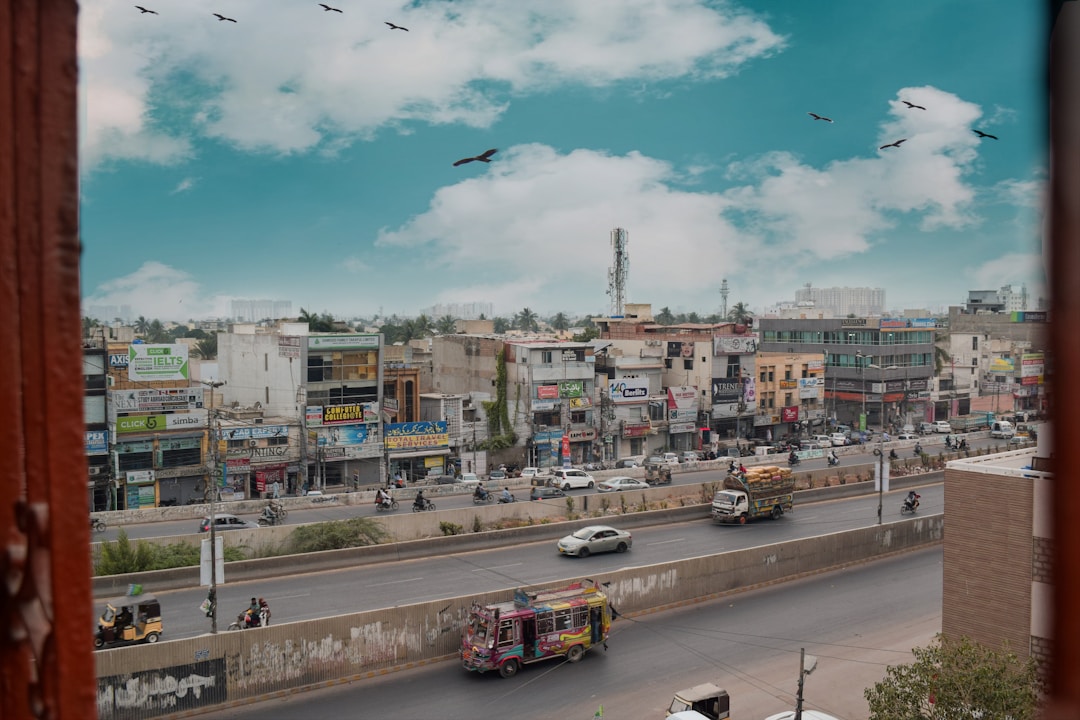
Photo by usama tayyab on Unsplash
The Three Main Ways to Save in Dollars from Pakistan
1. Foreign-Currency Account (FCA)
Most Pakistani banks offer foreign-currency accounts that let you hold US dollars or other foreign currency.
How it works. If you bank in Pakistan, you open an FCA and convert rupees into dollars through the bank, or receive remittances directly into it. The balance stays in dollars.
Costs. Banks apply a spread on the conversion and may charge fees on cash withdrawals. During reserve pressure, the bank rate and the open-market rate can diverge.
Tradeoffs. Regulated by the State Bank of Pakistan and integrated with the banking system, which makes it convenient for receiving remittances. But buying dollars and withdrawing physical cash have been restricted during foreign-exchange crunches, and you are exposed to banking hours and policy shifts.
2. Exchange Companies and Physical Dollars
Pakistan has licensed exchange companies that operate the open market for foreign currency, and physical dollar bills are a long-standing store of value.
How it works. You exchange rupees for dollar bills through a licensed exchange company at the open-market rate, then store the cash yourself.
Costs. The cost sits in the spread between buy and sell rates, which widens during volatility. There is no ongoing fee.
Tradeoffs. Fast and accessible, with no bank relationship required. But you carry the risk of theft, the burden of safe storage, and the possibility of counterfeit notes. During shortages, exchange companies have faced limits on how much they can sell. Physical dollars hold value without doing anything more.
3. Digital Dollars
Digital dollars, specifically dollar-denominated digital assets like USDC and USDT, are the newest path.
How it works. You use a digital dollar wallet on your phone to hold dollar-denominated value. Each digital dollar is designed to track the US dollar 1:1, backed by reserves of cash and short-term US government debt. To convert rupees, you typically use a peer-to-peer platform. For background, see what digital dollars are.
Costs. Wallet fees vary by provider. The conversion rate from rupees depends on the on-ramp, though most price close to the open market. Arca-to-Arca dollar sends carry no network fee.
Tradeoffs. No bank account needed, just a phone, so you can effectively hold dollars without a US bank account. Available around the clock. You hold your own keys, so no institution can freeze the balance, but losing your seed phrase means losing access. Digital dollars are not government-issued money and carry issuer-specific risks. Pakistan has taken a restrictive stance on crypto at times and the framework is still forming, so weigh the regulatory uncertainty and understand the difference between custodial and non-custodial wallets before choosing a provider.
Comparing the Options
| Factor | Foreign-Currency Account | Exchange Company / Cash | Digital Dollars |
|---|---|---|---|
| Exchange rate | Bank rate (with spread) | Open-market rate | Close to open market |
| Requirements | Pakistani bank account | Cash, in-person visit | Smartphone |
| Dollar availability | Limited in crunches | Limited in shortages | Not rationed |
| Time to complete | Minutes (banking hours) | Minutes | Minutes |
| Custody | Bank holds funds | You hold cash | You hold your own keys |
| 24/7 availability | No | No | Yes |
| Regulation | SBP-regulated | Licensed | Uncertain / restrictive |
| Key risks | Access limits, fees | Theft, spreads | Issuer, depeg, key loss |
No single method wins on every factor. Each is a different balance of rate, access, regulation, and risk.

Photo by Kamal Uddin on Unsplash
A Real Scenario: A Family Receiving Remittances in Lahore
The following scenario is illustrative. It is based on common patterns reported by Pakistani families receiving remittances, not a specific individual.
A family in Lahore receives about USD 600 a month from a relative working in the Gulf. For years the money arrived and was converted straight into rupees, then spent or saved in rupees. During the 2023 spike, whatever they managed to save lost a large share of its value as inflation ran near 38% and prices for imported goods jumped.
They started keeping part of each remittance in digital dollars instead. The relative sends dollars to the family’s wallet, and they convert only what they need for monthly costs into rupees, at rates close to the open market. The dollars they don’t spend stay as dollars.
The result is that the saved portion held its value through the worst of the inflation, and they no longer depended on the bank being able to sell them dollars during a crunch. The balance is theirs, reachable from a phone at any hour. When the rupee stabilized in 2024, they kept the habit as a hedge against the next round of pressure.
Getting Started
If you’re considering saving in dollars from Pakistan, here’s how to start with a digital dollar wallet:
- Download Arca on your phone. Setup takes about 30 seconds. No foreign bank account or brokerage required.
- Convert rupees to digital dollars. Use a peer-to-peer platform at rates close to the open market.
- Hold dollars under your control. Your digital dollars sit in your wallet, secured by keys only you hold.
- Send or save on your terms. Keep your dollars as long as you want, or send them to any compatible wallet in seconds.
What It Comes Down To
Pakistan’s 2022 to 2023 stretch showed how fast rupee savings can lose value when inflation spikes and the currency slides. Prices climbed roughly 38% in the worst month, and savers who held only rupees absorbed the full hit. The rupee’s 2024 recovery is real, but it was bought with controls, and the memory of the crisis is why dollar savings stay relevant.
You have more ways to hold dollars than ever. A foreign-currency account suits people already inside the banking system, especially for remittances, when dollars are available. Exchange companies and cash suit people who want bills in hand. A digital dollar wallet suits people who want phone-based access with no minimum and their own keys. For more on the hidden costs of moving money, see our guide on exchange-rate markup and the blog on why no-fee transfers still cost money. For how protections for digital dollar holders are evolving under US law, see our guide on the GENIUS Act.
Ready to hold your own dollars? Get started with Arca and set up your dollar wallet in 30 seconds.
Your dollar wallet. No bank needed.
Hold dollars, send them instantly, and manage your money on your terms.
Get started with ArcaRelated guides
Are Digital Dollars Safe? An Honest Look at Risks and Safeguards
Digital dollars carry real risks but also real safeguards. Understand reserve backing, regulation, depegging history, and how to evaluate safety before holding digital dollars.
How Digital Dollars Maintain Their Value: Understanding the Safety Behind the Peg
Learn how reserve-backed digital dollars like USDC and USDT maintain their $1 value through audited reserves, the GENIUS Act, and proper custody, plus lessons from past events.
Can You Send Money Internationally on Weekends?
Yes, but the timing depends on the route. Compare weekend bank wires, remittance apps, and digital dollar transfers that can settle any day.