How to Save in Dollars from Bangladesh
A practical guide for Bangladeshis who want to save in US dollars. Covers foreign-currency accounts, money changers, physical cash, and digital dollar wallets, with real costs and honest tradeoffs for 2026.
Taka loss vs USD (since ~2022)
~45%
Bangladesh inflation (mid-2024)
11.66%
Crawling-peg mid-rate (2024)
117 per USD
Digital dollar wallet setup
30 seconds
TL;DR: The taka lost nearly 45% against the dollar over roughly two and a half years, sliding from around 84 to over 120 per dollar, while inflation hit a record 11.66% in mid-2024. Bangladeshis face tighter rules than most on holding dollars: regulated foreign-currency accounts (eligibility-limited), money changers and physical cash (constrained), and digital dollar wallets (phone-based, but legally uncertain in Bangladesh). Every path here carries real tradeoffs, and the regulatory picture deserves close attention.
Key Takeaways:
- The taka fell nearly 45% against the dollar over about two and a half years, from roughly 84 to over 120 per dollar.
- Inflation reached a record 11.66% in July 2024, driven by import costs and currency depreciation.
- Bangladesh introduced a crawling-peg system in May 2024 with a mid-rate near 117 taka per dollar to manage the decline.
- Holding foreign currency is tightly regulated, through eligibility-limited accounts such as RFCD, rather than freely buying dollars.
- Digital dollar wallets are phone-based and let you hold your own keys, but Bangladesh Bank has warned against crypto, so regulatory risk is the dominant consideration alongside issuer and self-custody risk.
Bangladesh’s currency has been under sustained pressure. The taka fell from around 84 per dollar to over 120 within roughly two and a half years, a devaluation of nearly 45%. Over that same stretch, inflation climbed to a record 11.66% in July 2024, pushed up by rising import costs and the weaker currency. For anyone holding taka savings, the combination meant a steady loss of both local and dollar purchasing power.
To slow the slide, Bangladesh Bank introduced a crawling-peg system in May 2024 with a mid-rate near 117 taka per dollar. That gives some structure to the exchange rate, but it doesn’t undo the value already lost, and it doesn’t change the underlying reasons people want a dollar hedge. This is currency devaluation and high inflation hitting savers at the same time.
Bangladesh is different from most countries in this series in one important way: holding dollars is tightly regulated, and crypto sits in a legally uncertain zone. This guide is honest about that. It covers the main options, including the constraints and risks, so you can make an informed decision.
Disclosure: This guide is published by Arca, a digital dollar wallet provider. We compare all available options honestly, including their drawbacks and the regulatory uncertainty in Bangladesh. Where we reference Arca’s product, this reflects our own service.
Why Taka Savings Lost Value
The taka’s decline reflected a balance-of-payments squeeze, falling reserves, and a strong global dollar, much like several of its regional neighbors. The 2024 political upheaval added further pressure, and Bangladesh Bank raised the policy rate to 10% as it tried to rein in inflation. The crawling peg was an attempt to manage the currency rather than let it float freely.
For savers, the headline figures tell the story plainly: nearly 45% lost against the dollar over a couple of years, and double-digit inflation eating local purchasing power. Bangladesh has appeared among the countries with the highest inflation right now during this period. The instinct to protect savings in a more stable unit is understandable, but in Bangladesh that instinct runs into tight rules.
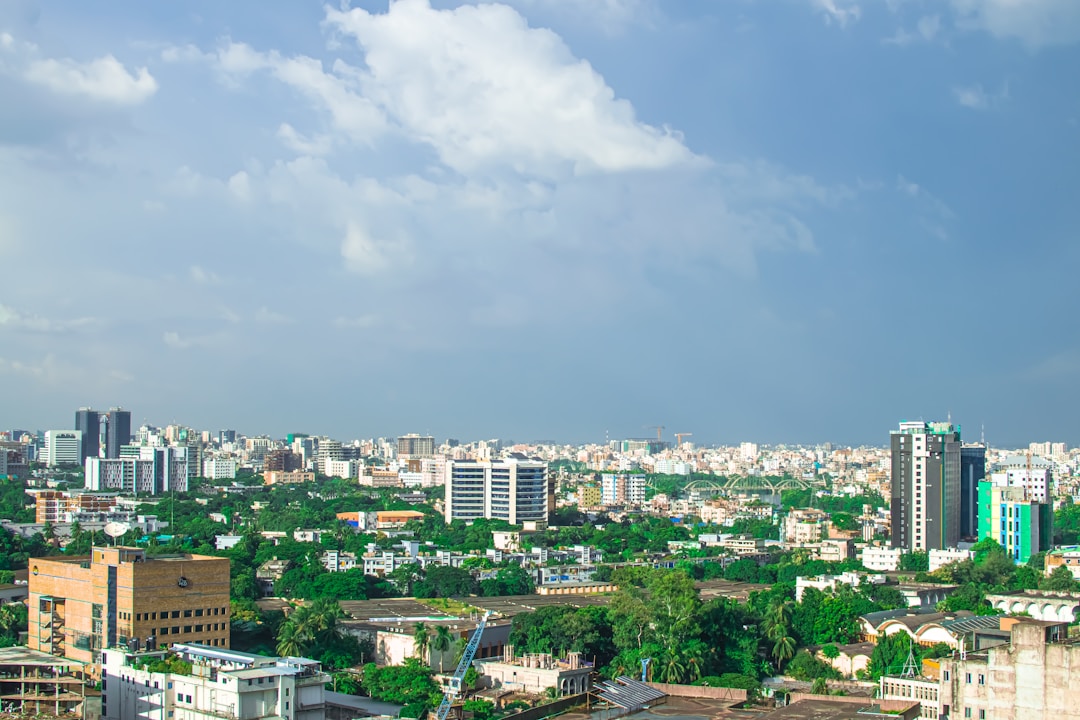
Photo by Al Amin Mir on Unsplash
The Main Options, and Their Constraints
1. Foreign-Currency Accounts
Bangladesh allows certain foreign-currency accounts, such as Resident Foreign Currency Deposit (RFCD) accounts, under Bangladesh Bank rules.
How it works. Eligible residents can hold foreign currency in these accounts, often sourced from declared earnings abroad, remittances, or amounts brought back from travel, within defined limits.
Costs. Banks apply a spread on conversion and may charge account fees. The bigger constraint is eligibility and sourcing rules rather than headline cost.
Tradeoffs. Regulated and bank-held, which is the safest formal route where you qualify. But you cannot simply buy dollars freely to fund these accounts as a savings habit. Access is gated by Bangladesh Bank rules, and limits apply.
2. Money Changers and Physical Cash
Licensed money changers handle foreign currency, mostly for travel.
How it works. Within the rules, travelers can buy or retain limited amounts of foreign currency through licensed money changers, then hold the cash.
Costs. The cost sits in the spread, and amounts are capped by regulation.
Tradeoffs. Useful for travel needs. But the legal limits make this impractical for building meaningful dollar savings, and physical cash carries the usual storage and theft risks.
3. Digital Dollars
Digital dollars, specifically dollar-denominated digital assets like USDC and USDT, are phone-based and globally accessible. In Bangladesh, though, they sit in a legally uncertain zone.
How it works. A digital dollar wallet on your phone holds dollar-denominated value, with each digital dollar designed to track the US dollar 1:1, backed by reserves of cash and short-term US government debt. For background, see what digital dollars are.
Costs. Wallet fees vary by provider. Arca-to-Arca dollar sends carry no network fee. Local access to convert taka is constrained by the regulatory environment.
Tradeoffs. No bank account needed, just a phone, so in principle you can hold dollars without a US bank account, available around the clock, with your own keys. But this is where the honesty matters most: Bangladesh Bank has repeatedly cautioned against crypto, so the legal status is uncertain. On top of the usual issuer-specific risks, depeg risk, and the responsibility that comes with holding your own seed phrase, you carry real regulatory risk. Understand the difference between custodial and non-custodial wallets and the rules that apply to you before doing anything.
Comparing the Options
| Factor | FX Account (RFCD) | Money Changer / Cash | Digital Dollars |
|---|---|---|---|
| Exchange rate | Bank rate (with spread) | Money-changer rate | Market rate (where available) |
| Eligibility | Gated by BB rules | Travel-related, capped | Open, but legally uncertain |
| Suited to savings | Where you qualify | Poorly (capped) | Constrained by regulation |
| Custody | Bank holds funds | You hold cash | You hold your own keys |
| 24/7 availability | No | No | Yes |
| Regulation | Regulated, restrictive | Regulated, capped | Cautioned against by BB |
| Key risks | Eligibility, limits | Caps, storage | Regulatory, issuer, depeg, key loss |
No method here is unconstrained. In Bangladesh, the regulatory framework shapes every choice more than the headline cost does.
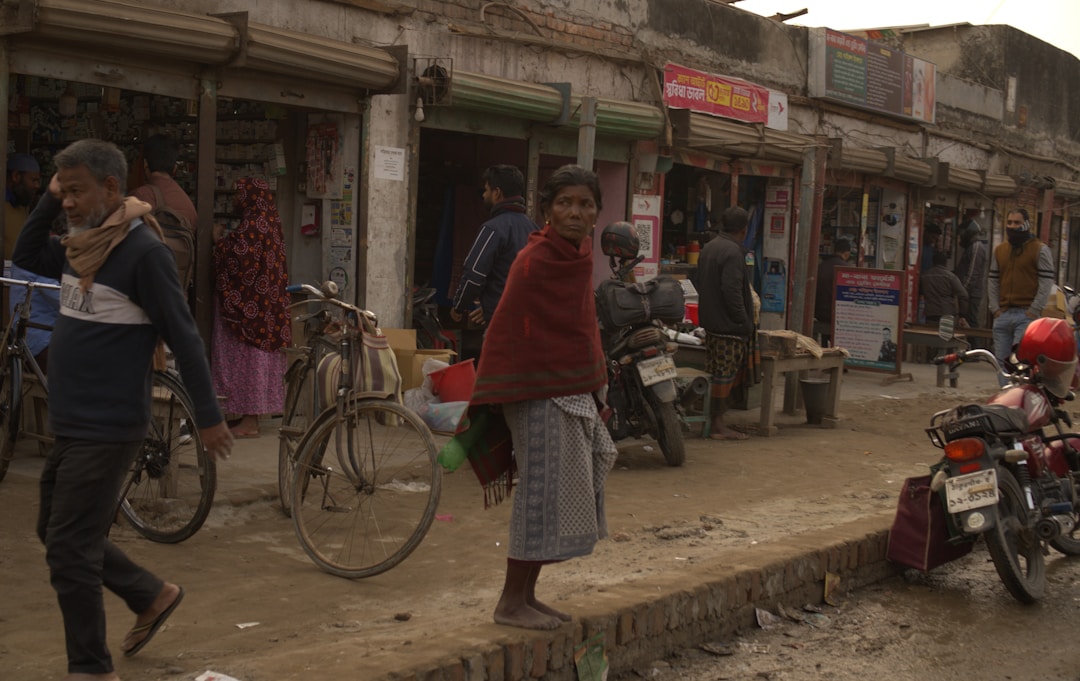
Photo by Fareed Akhyear Chowdhury on Unsplash
A Real Scenario: A Remittance-Receiving Household in Dhaka
The following scenario is illustrative. It is based on common patterns reported by Bangladeshi households, not a specific individual, and it does not constitute advice on circumventing local rules.
A household in Dhaka receives remittances from a family member working abroad. Through the taka’s slide, money converted to taka and saved locally lost value steadily, from both the nearly 45% currency drop and double-digit inflation. The family looked at their options and found that the most stable and clearly legal route, where they qualified, was a regulated foreign-currency account fed by their declared remittance income, which let them hold part of their savings in dollars within Bangladesh Bank’s rules.
The lesson the scenario illustrates is less about a single product and more about the discipline of holding some savings in a stable unit while staying inside the rules that apply to you. For households outside the formal banking system, the choices are narrower, and the regulatory uncertainty around alternatives like digital dollars makes careful, informed decision-making essential.
Getting Started, Carefully
If you’re considering saving in dollars from Bangladesh, the most important first step is understanding the rules that apply to your situation:
- Understand the local rules first. Foreign-currency holding is tightly regulated, and crypto sits in a legally uncertain zone. Know what applies to you.
- Use the clearest legal route available to you. Where you qualify, a regulated foreign-currency account is the most settled formal option.
- If you proceed with a digital dollar wallet, weigh the regulatory risk. Setup takes about 30 seconds with Arca, but the legal uncertainty in Bangladesh is real, and you alone are responsible for your keys and for compliance.
- Hold and send on your terms. Whatever method you choose, keep clear records.
What It Comes Down To
Bangladesh’s savers faced a hard stretch: the taka down nearly 45% against the dollar and inflation at a record 11.66% in mid-2024. The instinct to protect savings in dollars is sound, but Bangladesh’s tight foreign-currency rules and cautious stance on crypto mean the path is narrower and the regulatory risk higher than in many other countries.
The honest takeaway is to use the clearest legal route available to you, understand the limits, and treat any uncertain channel with care. For more on the hidden costs of moving money, see our guide on exchange-rate markup and the blog on why no-fee transfers still cost money. For how protections for digital dollar holders are evolving under US law, see our guide on the GENIUS Act. For the broader picture, our guide on saving in dollars from Nigeria covers a market with a similar mix of devaluation and mobile-first demand.
Ready to learn more about holding your own dollars? Get started with Arca and explore whether a dollar wallet fits your situation.
Your dollar wallet. No bank needed.
Hold dollars, send them instantly, and manage your money on your terms.
Get started with ArcaRelated guides
Are Digital Dollars Safe? An Honest Look at Risks and Safeguards
Digital dollars carry real risks but also real safeguards. Understand reserve backing, regulation, depegging history, and how to evaluate safety before holding digital dollars.
How Digital Dollars Maintain Their Value: Understanding the Safety Behind the Peg
Learn how reserve-backed digital dollars like USDC and USDT maintain their $1 value through audited reserves, the GENIUS Act, and proper custody, plus lessons from past events.
Can You Send Money Internationally on Weekends?
Yes, but the timing depends on the route. Compare weekend bank wires, remittance apps, and digital dollar transfers that can settle any day.